

Travelling to Bhutan from Singapore is more than just a journey; it is a voyage into a land where ancient traditions, spiritual serenity, and pristine landscapes coexist in perfect harmony. Known as the “Land of the Thunder Dragon,” Bhutan captivates travellers with its towering Himalayan peaks, majestic monasteries, vibrant festivals, and commitment to Gross National Happiness over material wealth.
For Singaporean travellers, planning a Bhutanese adventure requires understanding the country’s unique tourism policy, visa requirements, and travel logistics. Whether you are seeking cultural immersion, adventurous trekking, or a reflective spiritual retreat, a Bhutan 10 days tour offers the perfect blend of experiences. This comprehensive guide will equip you with all the information you need to ensure your journey is smooth, memorable, and culturally enriching.
Why Visit Bhutan from Singapore
Bhutan is a destination unlike any other, offering travellers from Singapore an opportunity to immerse themselves in a kingdom where nature, culture, and spirituality coexist harmoniously. The country’s untouched landscapes, from soaring Himalayan peaks to verdant valleys and glacial rivers, provide a breathtaking backdrop for exploration.
Bhutan’s “High Value, Low Impact” tourism policy ensures that every visitor contributes positively to the country’s economy and cultural preservation while minimising environmental impact. This carefully managed approach prioritises meaningful experiences over mass tourism, allowing travellers to connect authentically with local communities, explore off-the-beaten-path destinations, and enjoy a slower, more mindful pace of travel. For Singaporean visitors seeking both adventure and cultural immersion, Bhutan promises an enriching and transformative journey.
Planning Your Trip: Bhutan 10 Days Tour
A Bhutan 10 days tour is perfect for travellers from Singapore who wish to experience a well-rounded journey, combining breathtaking landscapes, cultural exploration, and adventure activities. This itinerary allows sufficient time to visit major cities such as Paro and Thimphu, explore remote valleys like Punakha and Phobjikha, hike to iconic sites such as Tiger’s Nest Monastery, and participate in local festivals and rituals.
Planning ahead is essential because Bhutan’s tourism is strictly regulated under the “High Value, Low Impact” policy. Independent travel is limited, and visitors are required to book through authorised tour operators. These operators handle visa processing, accommodation, transport, and guided tours, ensuring a smooth and hassle-free experience. Early planning also allows travellers to secure preferred dates, festival participation, and the best accommodations, making the journey both memorable and culturally immersive
Travel Requirements and Visa Information for Bhutan
All travellers from Singapore are required to obtain a visa before entering Bhutan. Unlike many countries, Bhutan does not allow independent travel for most visitors, and visas are issued exclusively through licensed Bhutanese tour operators, who also coordinate itineraries, accommodation, and local transport.
The standard visa process involves several key steps:
- Passport Validity of at Least Six Months: Ensure your passport is valid for at least six months beyond your intended stay in Bhutan.
- Pre-Booking a Tour Package: You must confirm your travel itinerary and book a Bhutan 10 days tour (or other package) through an authorised operator before your visa application can be processed.
- Submission of Visa Application and Payment: The tour operator will submit your visa application to the Tourism Council of Bhutan, along with the applicable fees. Once approved, your visa is typically issued electronically and stamped upon arrival at Paro International Airport.
Planning ahead is essential, as visa processing requires coordination between the tour operator and Bhutanese authorities. Travellers are advised to finalise all bookings well in advance, particularly during peak festival seasons or holidays. Following these procedures ensures a smooth entry and allows you to focus on enjoying your Himalayan adventure.
Best Time to Visit Bhutan
Bhutan’s climate varies significantly with altitude, ranging from subtropical valleys to alpine mountains, making careful seasonal planning essential for an enjoyable trip. The best time to visit Bhutan is generally during spring (March to May) and autumn (September to November). During these months, the weather is mild, skies are clear, and the country’s landscapes are at their most picturesque. Spring brings blooming rhododendrons and vibrant flora across the valleys, while autumn offers crisp air and golden-hued hillsides ideal for trekking and sightseeing.
These seasons also coincide with Bhutan’s major festivals, providing travellers with a chance to experience lively tshechus, masked dances, and local celebrations. Winter (December to February) is colder and less crowded, ideal for those seeking tranquility, while summer (June to August) sees heavy monsoon rains that may limit outdoor activities. For a Bhutan 10 days tour from Singapore, spring and autumn offer the perfect combination of cultural immersion, scenic beauty, and comfortable travel conditions.
Flights from Singapore to Bhutan
Bhutan is accessible internationally through Paro International Airport, the country’s only international airport, renowned for its dramatic location amidst the Himalayan mountains. Travellers from Singapore typically take connecting flights via major hubs such as Bangkok, Delhi, or Kathmandu, depending on the airline and schedule.
Flying into Paro is an experience in itself. As the plane descends, passengers are treated to awe-inspiring views of snow-capped peaks, deep valleys, and winding rivers, offering a preview of the natural beauty awaiting them. Due to Bhutan’s unique geography and small airport size, flights are often operated by specialized airlines with experienced pilots skilled in navigating the challenging terrain.
Planning your journey in advance is essential, especially during peak travel seasons, to secure flights that align with your Bhutan 10 days tour itinerary and ensure a smooth start to an unforgettable Himalayan adventure
Currency, Costs, and Budgeting in Bhutan
Bhutan uses the Ngultrum (BTN) as its official currency, which is pegged to the Indian Rupee (INR). Travellers from Singapore should plan their budget to cover a variety of expenses, including:
- Tour Package Fees: Most visitors book through licensed Bhutanese tour operators, which include accommodation, transport, and guides.
- Accommodation: Options range from luxury hotels in Thimphu to traditional guesthouses in rural valleys.
- Food and Transport: Meals, local transport, and optional excursions contribute to daily costs.
- Entrance Fees and Activities: Visits to dzongs, monasteries, museums, and national parks often have small fees.
A Bhutan 10 days tour generally bundles the majority of these expenses into one package, providing a convenient, all-inclusive experience. This approach not only simplifies budgeting but also ensures travellers can fully enjoy Bhutan’s unique landscapes, cultural experiences, and adventure activities without the stress of daily financial planning.
Accommodation Options in Bhutan
Bhutan offers a diverse range of accommodations to suit different travel styles and budgets, from luxury hotels in urban centres to traditional guesthouses in remote valleys. In Thimphu, visitors can enjoy modern comforts combined with Bhutanese architectural aesthetics, while smaller towns like Punakha, Paro, and Bumthang feature cozy lodges and homestays that provide an authentic glimpse into local life.
Choosing lodging through a licensed Bhutanese tour operator ensures a seamless experience, as most hotels and guesthouses are booked in conjunction with the tour package. This approach also guarantees culturally immersive stays, often allowing guests to interact with local families, participate in village life, and enjoy meals prepared with traditional recipes. Staying in locally run accommodations not only enriches your journey but also supports Bhutan’s community-based tourism initiatives.
Cultural Etiquette and Local Customs in Bhutan
Bhutanese culture is deeply rooted in Buddhism, and the kingdom’s traditions permeate daily life. Travellers from Singapore are encouraged to approach their visit with respect and mindfulness, embracing local customs to ensure a harmonious and rewarding experience. Observing proper etiquette not only demonstrates cultural sensitivity but also allows visitors to connect more meaningfully with Bhutanese people and their heritage.
Key cultural practices include:
- Removing Shoes Before Entering Temples: Footwear is considered unclean inside sacred spaces, so always remove shoes and socks before entering monasteries, dzongs, and private shrines.
- Greeting Locals with a Respectful Bow: A slight bow with hands pressed together is the traditional Bhutanese greeting, showing respect and goodwill.
- Avoiding Public Displays of Affection: Bhutanese society values modesty and discretion, so intimate gestures such as hugging or kissing in public are considered inappropriate.
Additional tips include speaking softly in religious settings, refraining from touching sacred objects without permission, and dressing modestly, especially when visiting temples and rural villages. Following these customs enhances the travel experience and ensures a respectful, immersive journey into Bhutan’s rich cultural landscape.
Top Destinations in Bhutan
Thimphu
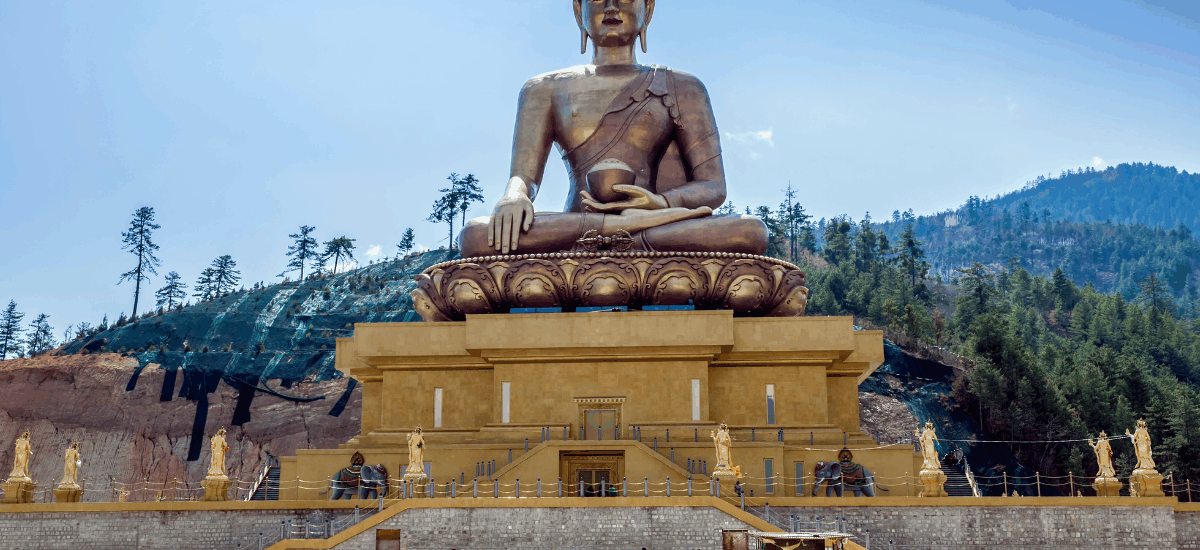
The capital city combines modern amenities with traditional architecture. Highlights include the Tashichho Dzong, Buddha Dordenma statue, and vibrant local markets.
Paro
Home to the iconic Tiger’s Nest Monastery, Paro is the gateway for most international travellers and offers historical temples and scenic landscapes.
Punakha
Known for the Punakha Dzong, this valley is a must-visit for its rivers, rice fields, and historical significance.
Bumthang
Often called Bhutan’s spiritual heart, Bumthang is dotted with ancient monasteries and sacred sites.
Phobjikha Valley
A glacial valley famous for its scenic beauty and as the winter home of the endangered black-necked cranes.
Bhutanese Festivals to Experience
Bhutan is renowned for its vibrant festivals, locally known as tshechus, which offer visitors a unique window into the kingdom’s spiritual and cultural heritage. These festivals combine religious rituals, elaborate masked dances, music, and communal celebrations that have been passed down through generations. Attending a tshechu provides an unforgettable opportunity to witness Bhutanese traditions firsthand while interacting with locals who travel from nearby villages to participate.
Some of the most notable festivals include:
- Thimphu Tshechu: Held annually in the capital, this festival features grand mask dances, traditional music, and a lively atmosphere in the courtyards of Tashichho Dzong.
- Paro Tshechu: One of the most popular festivals, celebrated at Paro Dzong, known for its spectacular sacred dances and vibrant local participation.
- Punakha Drubchen: A historical festival commemorating Bhutanese victories in battle, featuring dramatic re-enactments and community rituals that celebrate Bhutan’s heritage and resilience.
Experiencing these festivals allows travellers to connect deeply with Bhutanese culture, making a Bhutan 10 days tour even more memorable.
Adventure and Nature Activities in Bhutan
Bhutan is not only a haven for culture and spirituality but also a paradise for adventure enthusiasts. The kingdom’s diverse landscapes from soaring Himalayan peaks to lush valleys and glacial rivers provide endless opportunities for outdoor exploration. Popular activities include:
- Trekking in the Himalayas: Bhutan offers treks ranging from moderate day hikes to multi-day adventures. Iconic routes include the Tiger’s Nest Monastery hike in Paro, the Bumthang valley trails, and high-altitude treks through pristine mountain passes.
- River Rafting: Bhutan’s glacial rivers provide exciting white-water rafting experiences suitable for beginners and seasoned rafters alike, particularly in regions like Punakha and the Mo Chhu River.
- Wildlife Spotting in National Parks: Bhutan’s protected areas, such as Jigme Dorji National Park and Phobjikha Valley, are home to endangered species including black-necked cranes, snow leopards, and takins. Guided wildlife tours offer a chance to observe these animals responsibly in their natural habitats.
A Bhutan 10 days tour often incorporates a balance of moderate trekking, scenic drives, and nature excursions, allowing travellers from Singapore to experience the country’s rugged beauty while remaining comfortable and safe. Adventure in Bhutan is always paired with cultural immersion, making it a truly holistic Himalayan experience.
Food and Cuisine in Bhutan
Bhutanese cuisine is hearty, flavorful, and often quite spicy, reflecting the country’s high-altitude environment and rich cultural heritage. Signature dishes include:
- Ema Datshi: A beloved national dish made from fresh chilies and cheese, often served with red rice. Its comforting, spicy flavour embodies the essence of Bhutanese home cooking
- Red Rice: Grown in the fertile valleys of Bhutan, red rice is slightly nutty and naturally aromatic, forming a staple in almost every meal.
- Momos: Delicious steamed or fried dumplings filled with meat or vegetables, commonly served with spicy dipping sauces
Meals in Bhutan are frequently shared communally, fostering a sense of togetherness and hospitality. Visitors are encouraged to embrace this tradition, enjoying food alongside locals while experiencing authentic Bhutanese dining culture. Sampling these dishes not only satisfies the palate but also offers insight into the kingdom’s lifestyle, traditions, and culinary artistry.
Packing Essentials for Your Bhutan Trip
Preparing for a journey to Bhutan from Singapore requires careful consideration of the country’s varied climate, terrain, and cultural norms. Key items to include are:
- Layered Clothing for Variable Weather: Bhutan’s weather can change rapidly, especially in mountainous regions. Pack layers including light jackets, sweaters, and rain gear to stay comfortable during hikes, city tours, and temple visits.
- Comfortable Trekking Shoes: Sturdy and comfortable footwear is essential for exploring monasteries, trekking trails, and uneven village paths. Shoes with good grip will make hikes, like the Tiger’s Nest Monastery trail, safer and more enjoyable.
- Travel Documents and Local Currency: Ensure your passport, visa, and flight tickets are secure. Carry some Ngultrum or Indian Rupees for small purchases, tips, and local markets.
- Personal Medications and First Aid Kit: Bring any prescription medications, along with a basic first aid kit including bandages, antiseptic, and remedies for altitude sickness or minor ailments.
Optional but recommended items include sunglasses, sunscreen, a reusable water bottle, and a camera to capture Bhutan’s breathtaking scenery. Proper preparation ensures a smooth, comfortable, and memorable journey through the Himalayan kingdom.
Responsible and Sustainable Tourism in Bhutan
Bhutan places great importance on responsible tourism, encouraging visitors to travel in ways that respect both the environment and local culture. To ensure your visit has a positive impact, consider the following practices:
- Minimise Plastic Use: Avoid single-use plastics whenever possible. Carry a reusable water bottle, shopping bag, and containers for snacks to reduce waste. Bhutan’s pristine landscapes benefit greatly from mindful waste management.
- Respect Wildlife: Observe animals from a safe distance and avoid disturbing their natural habitats. Do not feed wildlife, and follow guidelines in national parks and protected areas to help conserve Bhutan’s unique biodiversity.
- Support Local Artisans and Businesses: Purchase handicrafts, textiles, and souvenirs directly from local artisans. Dining at local restaurants and staying in family-run guesthouses not only enhances your experience but also contributes to the local economy and preserves Bhutanese culture.
By following these principles, visitors can enjoy a meaningful, low-impact journey while helping Bhutan maintain its natural beauty and cultural heritage for future generations.
Sample 10-Day Bhutan Itinerary from Singapore
Day 1: Arrival in Paro and Sightseeing Arrive at Paro International Airport and soak in the stunning Himalayan scenery. Explore Paro town, visiting the Rinpung Dzong and Paro Museum, while strolling through the charming streets lined with traditional Bhutanese architecture.
Day 2: Hike to Tiger’s Nest Monastery (Taktsang Monastery) Embark on a moderate hike to the iconic Tiger’s Nest Monastery, perched dramatically on a cliffside. Spend time exploring this sacred site and enjoying panoramic views of the Paro Valley.
Day 3: Paro to Thimphu – City Tour Drive to Bhutan’s capital, Thimphu. Explore landmarks such as the Tashichho Dzong, National Memorial Chorten, and the bustling local markets.
Day 4: Thimphu Cultural Immersion Dive into Bhutanese culture by visiting the Folk Heritage Museum, the National Library, and attending a traditional craft demonstration.
Day 5: Thimphu to Punakha – Punakha Dzong Travel to Punakha via the Dochula Pass, enjoying breathtaking mountain views. Visit the majestic Punakha Dzong, one of Bhutan’s most beautiful fortresses.
Day 6: Explore Punakha Valley and Chimi Lhakhang Discover the serene Punakha Valley, visit the fertility temple Chimi Lhakhang, and enjoy walks through rice paddies and riverside villages.
Day 7: Punakha to Bumthang – Scenic Drive Drive to the spiritual heart of Bhutan, Bumthang, passing through lush valleys and traditional villages along the scenic route.
Day 8: Bumthang Monasteries and Local Villages Visit Jambay Lhakhang, Kurjey Lhakhang, and other historic monasteries. Interact with locals and explore traditional village life.
Day 9: Phobjikha Valley Visit and Nature Exploration Travel to the picturesque Phobjikha Valley, home to the endangered black-necked cranes. Enjoy gentle walks through the valley, observing nature and local wildlife.
Day 10: Return to Paro and Departure Drive back to Paro for your departure. Depending on flight schedules, enjoy a final stroll through Paro town or a short visit to local markets before heading to the airport.
Conclusion
Travelling to Bhutan from Singapore is a journey that captivates the curious, the adventurous, and those seeking a deeper cultural experience. A Bhutan 10 days tour offers the perfect opportunity to explore the kingdom’s diverse landscapes, from towering Himalayan peaks and lush valleys to serene rivers and remote villages. Along the way, travellers can immerse themselves in Bhutan’s rich traditions, visit ancient monasteries, and witness vibrant local festivals that showcase the country’s unique spiritual heritage. Thoughtful planning, an understanding of local customs, and a willingness to embrace Bhutan’s “High Value, Low Impact” tourism philosophy enhance the experience, allowing visitors to connect meaningfully with the people and the land. For Singaporean travellers, this journey promises not just sightseeing, but a truly unforgettable Himalayan adventure that lingers long after the trip ends.